Mia Basic Explores How Preventative Wellbeing Transforms Workplaces
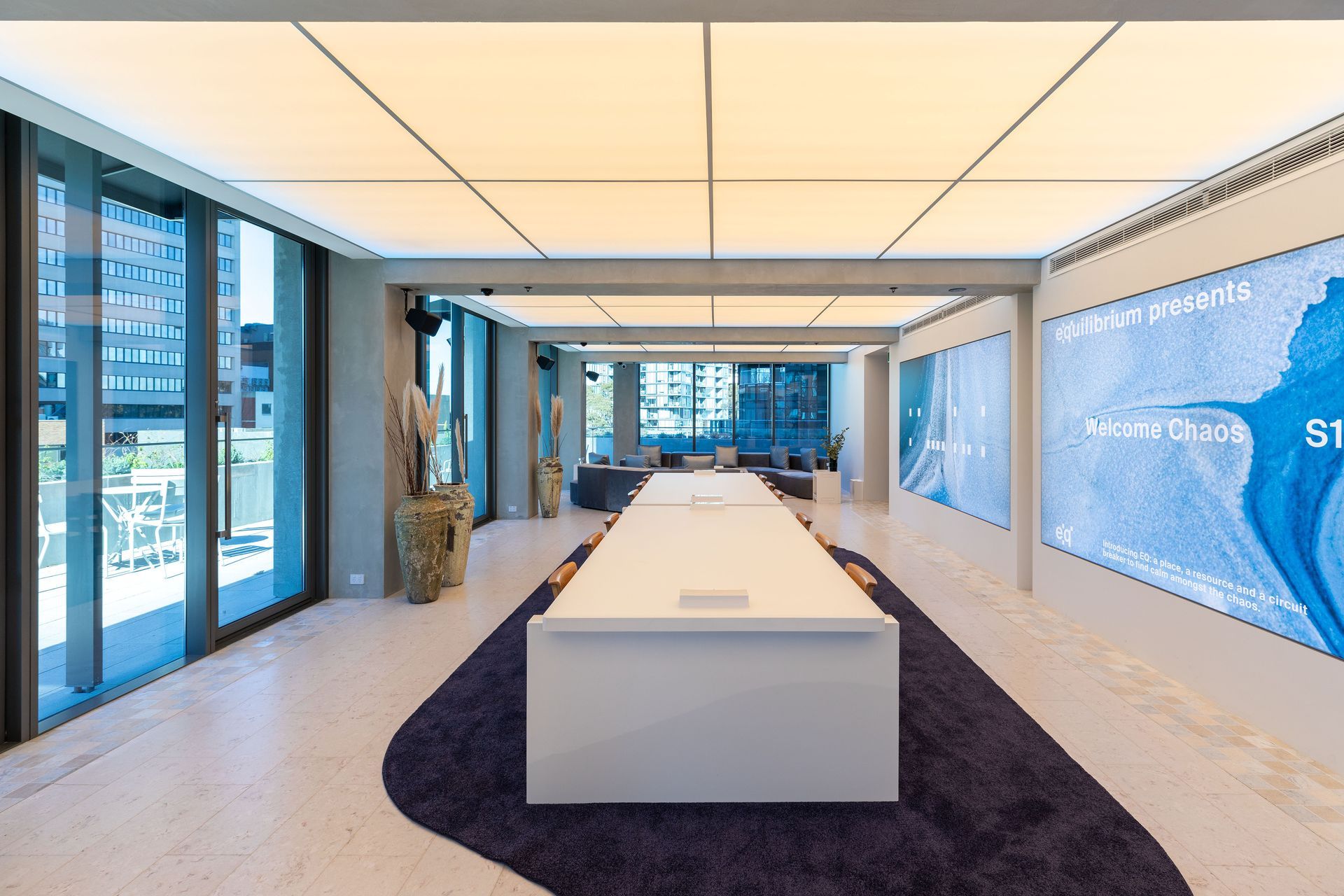
We’re proud to partner with Equilibrium, Melbourne’s transformative wellness space, as part of our commitment to fostering healthier, happier workplaces. Equilibrium shares our vision of creating environments where people feel supported, valued, and empowered to thrive—both personally and professionally.
Through their evidence-based, preventative approach to wellbeing, Equilibrium equips businesses and their employees with the tools to manage stress, build resilience, and achieve long-term success.
In this article, we sat down with Equilibrium’s Founder & Director, Mia Basic, to unpack their incredible offering and explore the transformative impact it has on workplace culture, employee wellbeing, and business performance.

What inspired you to create Equilibrium, and how does it uniquely address the challenges modern workplaces face?
The inspiration for Equilibrium came from my personal journey. I spent years in the corporate world as a lawyer, navigating high-pressure and performance-driven environments where wellbeing often felt like an afterthought.
I saw colleagues and peers pushed to the brink (myself included), with little ongoing support to manage the mounting stress. But I also had a unique perspective through my sister, a career elite athlete and Olympic sprinter. Reflecting on her journey, I learned that high performance doesn’t just happen – it’s built on daily habits of care, preparation and recovery. Professionals need the same – mental clarity, emotional resilience and career-long stamina built on the foundations of sustainable healthy habits.
Leaving that world was both a personal and professional turning point. I wanted to create something that didn’t just ‘patch up’ the issues when they arose but prevented them from happening in the first place.
Equilibrium is my answer to the challenges I experienced firsthand. It’s designed to empower people and businesses with tools that integrate seamlessly into daily life – it’s about giving autonomy and empowerment back to the person. By focusing on proactive, preventative wellbeing, we’re not just helping workplaces adapt to modern demands, we’re creating environments where people feel supported, and truly capable of thriving.
How does investing in preventative wellbeing, like Equilibrium, impact workplace culture and employee performance?
Preventative wellbeing creates a culture where people feel supported and valued, which has a profound impact on individual engagement and performance. Equilibrium gives employees the tools and resources they need to personally manage stress, improve focus, and prepare for the demands of the job. This leads to more engaged, productive teams that can navigate challenges without burnout.
It also ties directly into the legislative requirements in Victoria around psychological and psychosocial safety. By investing in wellbeing proactively, businesses can ensure they are not only fostering a positive culture but also meeting their legal obligations to create safe, supportive workplaces. This isn’t just good for people, it’s good for business.
What role does Equilibrium play in helping businesses retain talent and reduce absenteeism?
Retention and absenteeism are two sides of the same coin. When employees feel overwhelmed or unsupported, they’re more likely to leave, or disengage entirely. Equilibrium steps in by giving employees tools to personally manage stress, build confidence, and find balance. We leverage evidence-based wellbeing tools and practices to help educate and support people.
By prioritising wellbeing, businesses send a clear message: “We care about you.” This message fosters trust, reduces turnover, and, in turn, minimises the hidden costs of absenteeism, like lost productivity and engagement dips.
What specific challenges does Equilibrium address for HR leaders trying to build a healthy and high-performing workplace culture?
HR leaders face the complex task of balancing short and longer-term business goals with employee wellbeing.
Common hurdles such as managing stress, preventing burnout, and building authentic engagement require more than one-off solutions.
Equilibrium equips HR leaders with safe and proven strategies to address these pain points while empowering individuals to take ownership of their wellbeing. By doing so, we help HR create a workplace culture that’s not just healthy but also high-performing and sustainable.
What does the Equilibrium program journey look like for a business, from onboarding to implementation?
The Equilibrium journey begins with a collaborative process to understand your team’s unique needs and challenges.
We work with businesses – often HR leaders and other business leaders - through onboarding, introducing employees to our preventative wellbeing framework and resources. This includes tailored workshops, digital tools, and ongoing support to ensure the program integrates smoothly into existing workflows.
Our programs are also designed to align with Victoria’s legislative requirements around psychosocial safety. From stress management strategies to building awareness of psychological risks including identifying and tackling burnout in the workplace, Equilibrium helps businesses create a safer and more supportive environment.
Implementation is the beginning. Our ongoing feedback and data-driven reporting and recommendations ensure that the program continues to deliver meaningful, measurable impact over time.
Why should HR leaders prioritise preventative wellbeing over reactive solutions like EAPs, and how does EQ help businesses build a long-term strategy for employee wellbeing rather than just ticking a box?
While EAPs play a role in addressing crises, they’re reactive by design, offering support often only once problems have emerged. Preventative wellbeing, like what Equilibrium offers, shifts the focus to educating, building resilience and self-awareness so employees can autonomously support themselves and manage challenges before they escalate.
Our tools and resources are delivered by some of the best in field medical doctors, elite athletes and health and wellbeing professionals. The resources are designed to cater to various needs, challenges, and personal likes and dislikes.
The ‘preventative’ approach not only fosters healthier teams but also aligns with the legislative focus on preventative measures for psychological safety. By embedding wellbeing practices into the culture, businesses can move beyond compliance and into creating a genuinely supportive work environment. Equilibrium gives HR leaders the tools to build this long-term strategy, ensuring that wellbeing isn’t just a box to tick but a core part of the organisation’s values and value proposition.
What is the one message you’d like business leaders to take away about the importance of preventative wellbeing in today’s workplace?
Preventative wellbeing isn’t just about avoiding problems; it’s about creating a thriving, future-focused workplace.
In today’s landscape where legislation and regulation is starting to place greater emphasis on psychological safety and mental health in the workplace, taking a proactive approach is not optional, it’s critical.
By investing in preventative wellbeing with Equilibrium, you’re not just meeting your obligations, you’re creating an environment where people feel safe, supported, and inspired to bring their best selves to work.