SME People Challenges: What Leaders Get Wrong
As businesses grow, people challenges often become more complex, yet many SMEs don’t have access to senior-level HR expertise in-house. That’s where trusted people partners can make a meaningful difference.
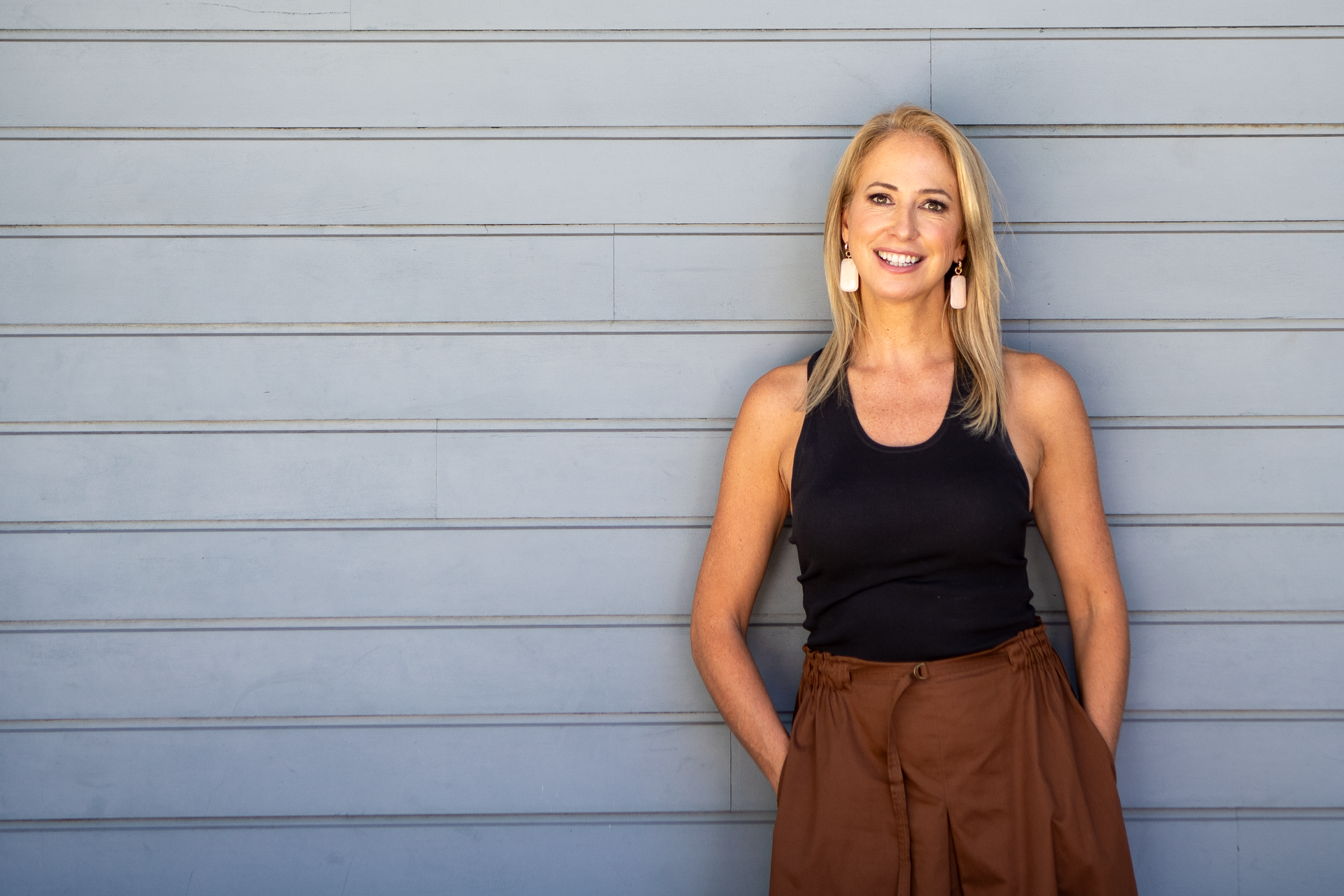
We sat down with Emily Gole, Director at People Design, about why she founded the business, the people challenges she sees most often in growing organisations, and how business leaders can build strong, high-performing teams without burning out. Emily shares practical insights for SME leaders navigating growth, culture, and multi-generational workforces.
Can you share the story of how People Design started and what the early days taught you about supporting small businesses?
People Design was born from a desire to do meaningful work flexibly, enabling me to manage my young family as well as have a career that was totally in my hands. I don’t feel you should have to choose between a fulfilling career and raising children, yet my experience in corporate HR in my early career taught me this would be challenging. This is in part why at People Design one of our philosophies is ‘good work, a good life’. We believe that good work is a non-negotiable for a good life. Work and life are enmeshed (note, not balanced!) and one feeds the other. It is difficult to have ‘good’ work if your life is not going well, and it is difficult to have a ‘good’ life if work is a constant grind providing little intrinsic or extrinsic pay off.
From the outset I saw the impact that the right advice and guidance was having on our client’s businesses and their teams and I became passionate about smaller businesses with fewer resources being able to access the senior level HR expertise that is critical to take their businesses forward. The benefits that come from having a team of highly experienced People Partners like we have at People Design are many - having this ongoing guidance really elevates a business– strengthening culture, growing profit and thereby creating better lives for both business owners and their teams.
What are the most common “people challenges” you see SME business leaders facing today? And what do they reveal about the way small businesses grow?
Over many years supporting businesses with their HR, we kept seeing the same patterns emerge.
We were working with committed business owners who really care about their business and the people within them and who wanted growth, but who were also totally overwhelmed, and to be frank, totally over, dealing with all the issues, expectations, needs and demands of the people – not to mention the ever growing and ever changing workplace legislation frameworks in which they are now operating. The HR landscape has got much more complicated, with closing loopholes, positive duty obligations, psychosocial hazard management and working from home frameworks, resulting in HR being a much larger and more necessary role for any business, no matter the size. The penalties for non-compliance can be severe and the performance and cultural consequences of people conflict, issues and incidents can have a very long tail. People management is a mammoth task and these business owners were trying to go it alone. Where an internal HR resource existed, it was often limited - either an additional responsibility given to someone already in the business, or a junior HR or administrative role. While well-intentioned, these approaches rarely created meaningful impact or real relief for the business owner. They were looking for a trusted right hand partner, someone who could take them forward meaningfully, help mitigate their risk and provide on-demand advice – and for a fraction of the cost of a senior HR hire
What strategies do you use to help growing businesses manage HR effectively across the full employee lifecycle?
We work with a proven framework built around four core pillars that underpin high performance at work.
We partner with businesses across each of these pillars progressively - starting with the fundamentals and building capability over time. Applying consistency and rigour across every key milestone of the employee lifecycle creates clarity, confidence, and predictability for business owners.
When these strategies are implemented in line with our frameworks and championed internally, leaders can relax knowing the foundations are strong and that their people practices are designed to get the very best from their teams, making their jobs easier and more enjoyable!
Multi-generational teams can be complex. How do you help businesses create culture, engagement, and collaboration across diverse workforces?
We are working with 5 generations in the workplace for the first time, all with different early experiences shaping them, different preferences around feedback, reward and connection and different ways of wanting to experience work generally. The younger generations know what they want and are not afraid to express it. It is not necessarily that they want different things to us X’ers or baby boomers, they simply want it done differently and they are much more prepared to stand up and fight for it. I mean, who doesn’t want meaning in their work, flexibility in the what/how/where of work and to have opportunities to grow - as a professional and as a human being? We urge our clients to embrace the pressure that the younger generations are putting on workplaces to do things differently. It will be a distinct competitive advantage if you can get this right - given over 70% of the workplace will be made up of Millennials and Gen Zs by 2030..!
If a small business leader is struggling with people or culture challenges, what’s one piece of advice you wish every owner would take on board?
I liken the employee and employer relationship to dating.
So my advice would be please don’t ignore red flags in the courting stage or the early employment stages! It is easy to be lured by someone who looks good on paper or who presents well. Or maybe you feel like getting someone is better than having no one?! But I can assure you, this never fails to come back to bite you!
Be clear on the critical attributes that make someone successful in your business and the values that you hire on. Don’t allow future culture sappers to slip through the cracks. Not unlike a toxic relationship, the damage of this can take months, or even years, to come back from.
____________
At BROOK, we see firsthand how critical strong people practices are to sustainable business growth. That’s why we partner with specialists like People Design, to ensure our clients have access to senior, strategic HR support when and where they need it.
Whether you’re scaling your team, navigating complex people challenges, or looking to build a stronger culture, Emily and the People Design team bring a practical, business-led approach to HR that delivers real impact.
If you’d like to explore how People Design can support your organisation, get in touch with the team, we’d be thrilled to make an introduction.