July 6, 2026
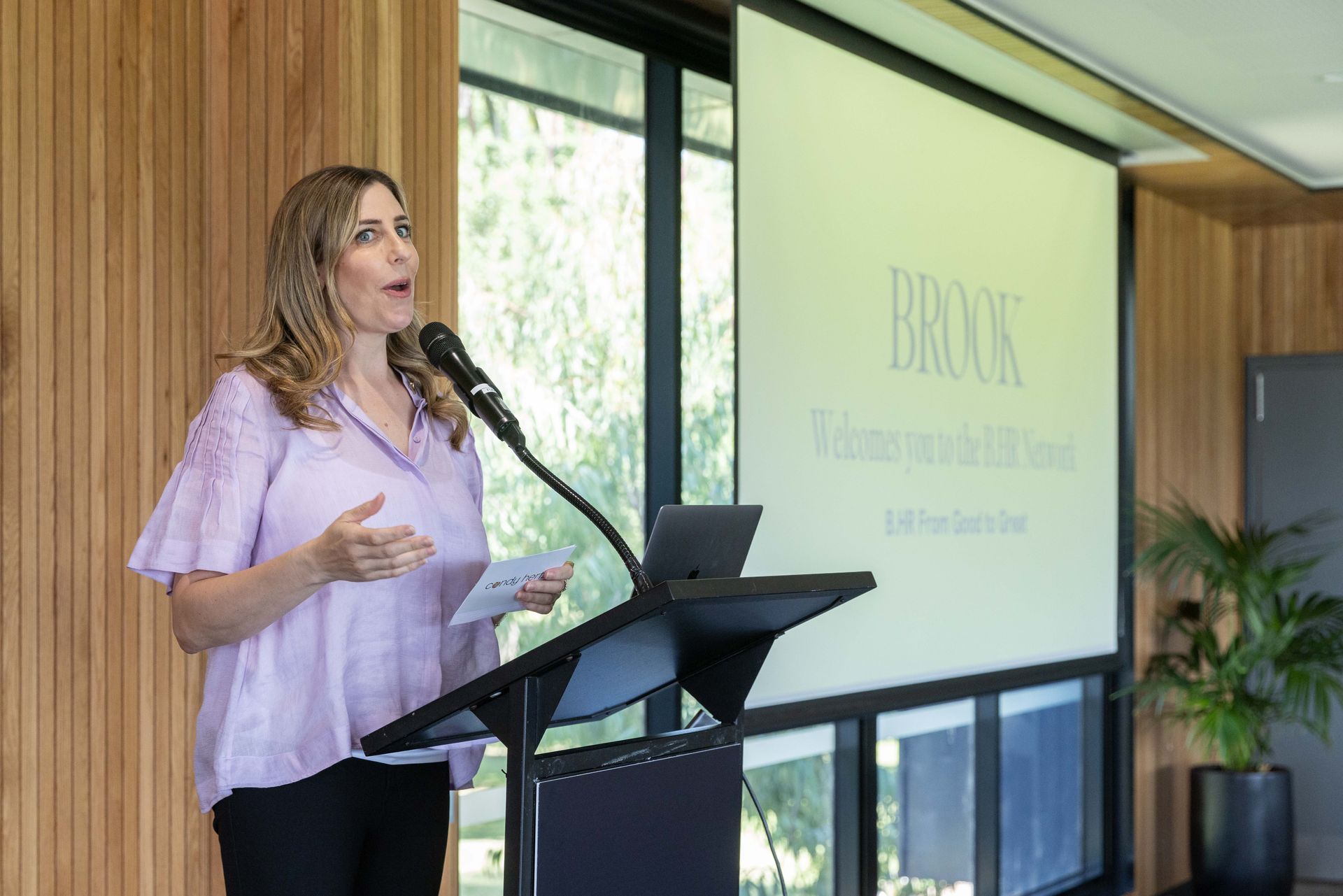
At our recent B.Finance event , we brought together some of Melbourne's finance leaders for an evening exploring where the profession is headed. One of the voices on the panel was Steven Cail, GM at VISY Board, who shared his perspective on the shifts reshaping finance, from the growing role of automation and AI, to the skills that will set finance professionals apart over the next decade. We sat down with Steven after the event to dig deeper into his thinking. Below, he unpacks where he sees the strongest opportunities for growth, the key challenges finance teams will face over the next 6–12 months, and the skills that matter most for professionals looking to stay ahead. Q: How would you describe the current state of the finance market, and where are you seeing the strongest areas of growth or opportunity? A: The finance profession is operating in one of the most significant periods of transformation in its history. We're firmly in the age of automation, artificial intelligence, and data-driven decision-making, with technology reshaping how finance functions deliver value to organisations. The strongest growth opportunities are emerging through the optimisation of systems, processes, and controls. Tasks that were once highly manual and time-consuming are increasingly being automated, enabling businesses to access accurate information faster than ever before. As a result, finance teams are spending less time producing data and more time interpreting it. This shift presents a significant opportunity for finance professionals to move beyond traditional transactional responsibilities and become strategic business partners. Organisations are increasingly relying on finance teams to provide insights, improve decision-making, identify risks and opportunities, and drive performance outcomes. The future of finance is no longer just about reporting what happened, it is about helping shape what happens next. Q: What are the key challenges and trends shaping the finance industry over the next 6-12 months, particularly from a talent and workforce perspective? A: Technology will continue to be both the greatest opportunity and the greatest challenge facing the finance profession over the coming years. The traditional pillars of finance (processing, compliance, controls, and reporting) are becoming increasingly automated through advancements in systems, AI, and digital technologies. As these capabilities become more accessible, finance professionals must continue to evolve the value they bring to their organisations. The most significant workforce challenge will be adapting skill sets to meet changing expectations. Businesses are no longer looking solely for technical experts; they are seeking commercially minded leaders who can interpret data, influence decisions, and contribute to strategic outcomes. At the same time, we are living in an increasingly data-driven world. The volume of information available to organisations continues to grow, creating a greater need for finance professionals who can convert data into meaningful insights. Accountants are becoming more deeply involved in operational and strategic discussions, helping organisations navigate changing market conditions, manage risk, and identify growth opportunities. Whether in corporate finance, public practice, or advisory services, the profession is shifting from a focus on historical reporting towards providing forward-looking guidance. Those who embrace change and remain at the forefront of emerging trends will be best positioned for success. Q: What skills do finance professionals need to remain competitive in this evolving environment? A: Technical expertise will always remain important; however, the skills that will truly differentiate finance professionals in the future are leadership, communication, influence, and business partnering. The ability to interpret information and translate complex financial data into meaningful business insights will become increasingly valuable. Stakeholders are no longer looking for reports alone, they want clarity, recommendations, and guidance that supports better decision-making. Finance professionals must also become more visible within their organisations. This means stepping away from the spreadsheets, building relationships across the business, understanding operational challenges, and actively contributing to strategic conversations. The most successful finance leaders are those who can combine financial expertise with commercial acumen and strong interpersonal skills. Equally important is a willingness to embrace technology rather than resist it. Artificial intelligence, automation, and advanced analytics should be viewed as enablers that enhance capability and productivity, not as threats to the profession. The finance professionals who thrive will be those who leverage these tools to generate deeper insights, improve decision-making, and help shape the future direction of their organisations. Ultimately, the future of finance belongs to professionals who can combine technical credibility, strategic thinking, and leadership to create meaningful business outcomes.