Resume Writing: What you need to know
September 5, 2023
There are many ways to write a resume, but not all of them are effective.
To write a great resume you first need to understand its purpose. Whether you pass to the next stage of the job application process is determined by your ability to provide the information required, for them to make an informed decision.
In today’s world, you’ll only have a few seconds to catch the attention of a recruiter, so here are our top tips to make sure your resume stands out.
What to Include:
- Header: Include your name, contact information, location, LinkedIn profile, and optionally, a professional headshot.
- Professional Summary: A brief (2 - 3 sentences) overview of you, your key soft skills, and career goals.
- Work Experience: In reverse chronological order, list your work history starting with your current position.
- For each role you've had include the following; job title, company, industry, location, dates of employment (mm/yy), following by a description of key duties and key achievements for the position.
- Only include those roles that are relevant to the one you're applying for. Keep it to 2 pages, 3 absolute max.
- Key Skills: Highlight your key skills (hard and soft) and competencies relevant to the role.
- Education: Brief detail on your education, including institution name, degree, field of study and graduation date. Don't forget to include any relevant certificates or professional development courses as well.
- References: List this if you wish, or simply pop 'References available upon request.'
Style & Formatting
- Choose a style that suits you, but always keep readability in mind. Look at the structure, layout and spacing to enhance this.
- There are a number of easy to use (and free) platforms to find free CV templates, our personal favourite is Canva.
- We recommend a clean and uncluttered structure so the reader can easily focus on the resume’s content.
- Use a professional font, Arial and Calibri are great options.
- Be sure to proofread your resume, check for typos and uniform formatting.
Language & Identity
- Your resume is your pitch and a tool to convey all the information a recruiter needs to know before meeting you. Use emotive language and action verbs at the beginning of each statement, you want the reader to feel like they know you.
Tailor to the Role:
Be sure to tailor your CV for the role you're applying for!
- Research the company values and weave this language into your CV.
- Identify the key parallels in the job description with your experience, and highlight these throughout your work experience.
- Focus on what you can offer, your resume should be straight to the point and concise. A good resume will clearly serve its purpose in a clean and concise way.
Extras Tips:
- Include your LinkedIn URL. But be sure your LinkedIn and the resume content match, an extra tip here is to customise your LinkedIn URL.
- A picture gives us a sense of who you are and how you like to present yourself. If you want to include a professional headshot go ahead, but make sure it is shoulders up, clear, and you alone.
- Don't have a professional headshot? Take one at home against a plain background, or get AI to make one for you!
- Regularly update your resume every 6 months to a year, it’s always worth making sure your resume is up to date and it won’t be as big of a task next time.
If you have any questions or would like some more tips, don’t hesitate to contact us at connect@brookrecruitment.com.au
Don’t ever let a poorly written resume ruin your chances to the role of your dreams!

Beyond the Gatekeeper: How the EA Role Is Evolving in the Age of AI

From Isolation to Connection: Redefining the Business Travel Experience

At our recent B.Finance event , we brought together some of Melbourne's finance leaders for an evening exploring where the profession is headed. One of the voices on the panel was Steven Cail, GM at VISY Board, who shared his perspective on the shifts reshaping finance, from the growing role of automation and AI, to the skills that will set finance professionals apart over the next decade. We sat down with Steven after the event to dig deeper into his thinking. Below, he unpacks where he sees the strongest opportunities for growth, the key challenges finance teams will face over the next 6–12 months, and the skills that matter most for professionals looking to stay ahead. Q: How would you describe the current state of the finance market, and where are you seeing the strongest areas of growth or opportunity? A: The finance profession is operating in one of the most significant periods of transformation in its history. We're firmly in the age of automation, artificial intelligence, and data-driven decision-making, with technology reshaping how finance functions deliver value to organisations. The strongest growth opportunities are emerging through the optimisation of systems, processes, and controls. Tasks that were once highly manual and time-consuming are increasingly being automated, enabling businesses to access accurate information faster than ever before. As a result, finance teams are spending less time producing data and more time interpreting it. This shift presents a significant opportunity for finance professionals to move beyond traditional transactional responsibilities and become strategic business partners. Organisations are increasingly relying on finance teams to provide insights, improve decision-making, identify risks and opportunities, and drive performance outcomes. The future of finance is no longer just about reporting what happened, it is about helping shape what happens next. Q: What are the key challenges and trends shaping the finance industry over the next 6-12 months, particularly from a talent and workforce perspective? A: Technology will continue to be both the greatest opportunity and the greatest challenge facing the finance profession over the coming years. The traditional pillars of finance (processing, compliance, controls, and reporting) are becoming increasingly automated through advancements in systems, AI, and digital technologies. As these capabilities become more accessible, finance professionals must continue to evolve the value they bring to their organisations. The most significant workforce challenge will be adapting skill sets to meet changing expectations. Businesses are no longer looking solely for technical experts; they are seeking commercially minded leaders who can interpret data, influence decisions, and contribute to strategic outcomes. At the same time, we are living in an increasingly data-driven world. The volume of information available to organisations continues to grow, creating a greater need for finance professionals who can convert data into meaningful insights. Accountants are becoming more deeply involved in operational and strategic discussions, helping organisations navigate changing market conditions, manage risk, and identify growth opportunities. Whether in corporate finance, public practice, or advisory services, the profession is shifting from a focus on historical reporting towards providing forward-looking guidance. Those who embrace change and remain at the forefront of emerging trends will be best positioned for success. Q: What skills do finance professionals need to remain competitive in this evolving environment? A: Technical expertise will always remain important; however, the skills that will truly differentiate finance professionals in the future are leadership, communication, influence, and business partnering. The ability to interpret information and translate complex financial data into meaningful business insights will become increasingly valuable. Stakeholders are no longer looking for reports alone, they want clarity, recommendations, and guidance that supports better decision-making. Finance professionals must also become more visible within their organisations. This means stepping away from the spreadsheets, building relationships across the business, understanding operational challenges, and actively contributing to strategic conversations. The most successful finance leaders are those who can combine financial expertise with commercial acumen and strong interpersonal skills. Equally important is a willingness to embrace technology rather than resist it. Artificial intelligence, automation, and advanced analytics should be viewed as enablers that enhance capability and productivity, not as threats to the profession. The finance professionals who thrive will be those who leverage these tools to generate deeper insights, improve decision-making, and help shape the future direction of their organisations. Ultimately, the future of finance belongs to professionals who can combine technical credibility, strategic thinking, and leadership to create meaningful business outcomes.

Working From Home Laws Are Changing: Here's What That Means For You.

Supporting HR & Business Leaders in a Complex, Fast-Moving Workplace

How travel is critical to employee wellbeing

SME People Challenges: What Leaders Get Wrong
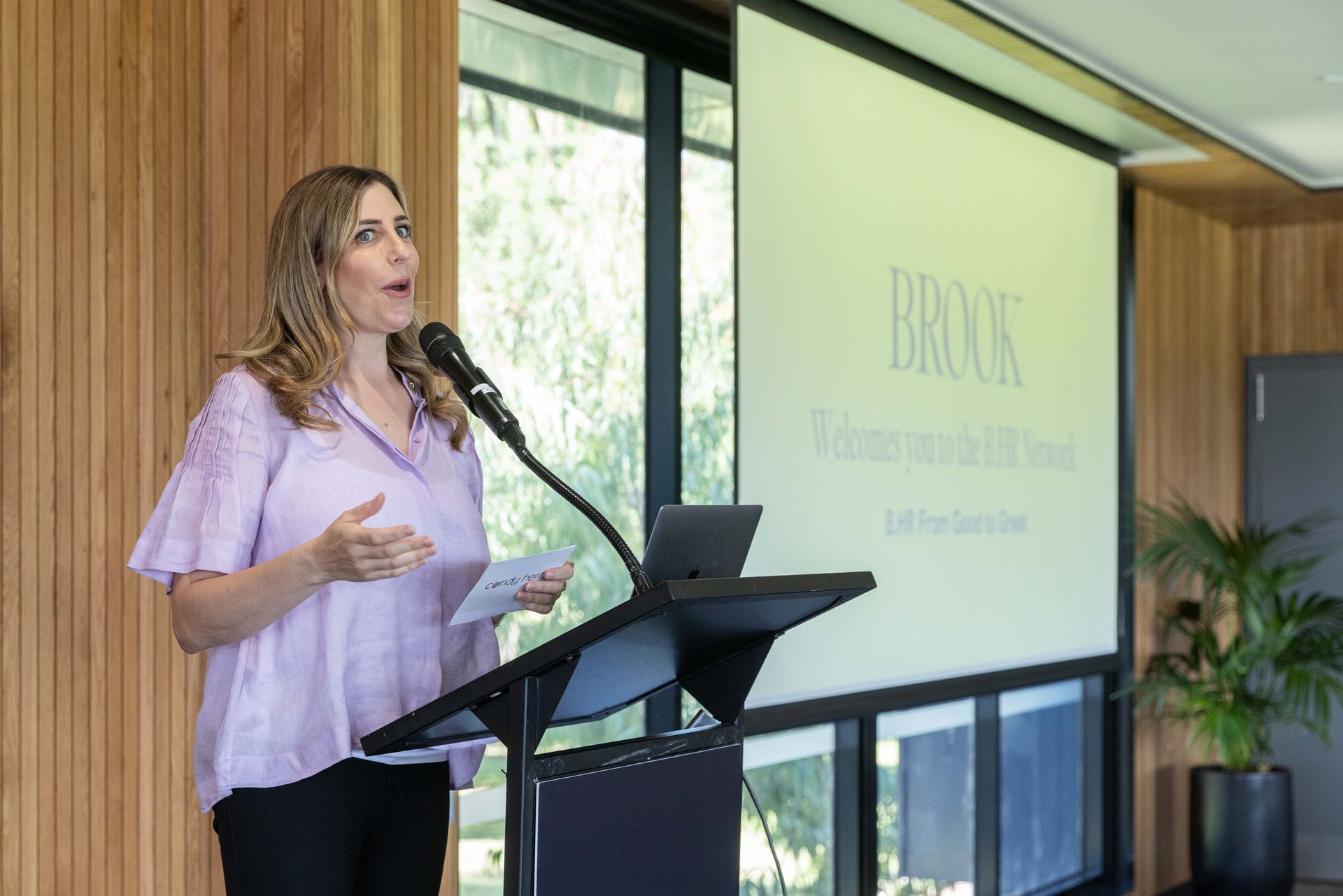
What Does Growth Actually Mean? | Career Blog from Brook Recruitment.

In this article, we sat down with Equilibrium’s founder and director, Mia Crema, to unpack their incredible offering and explore the transformative impact it has on workplace culture, employee wellbeing, and business performance.
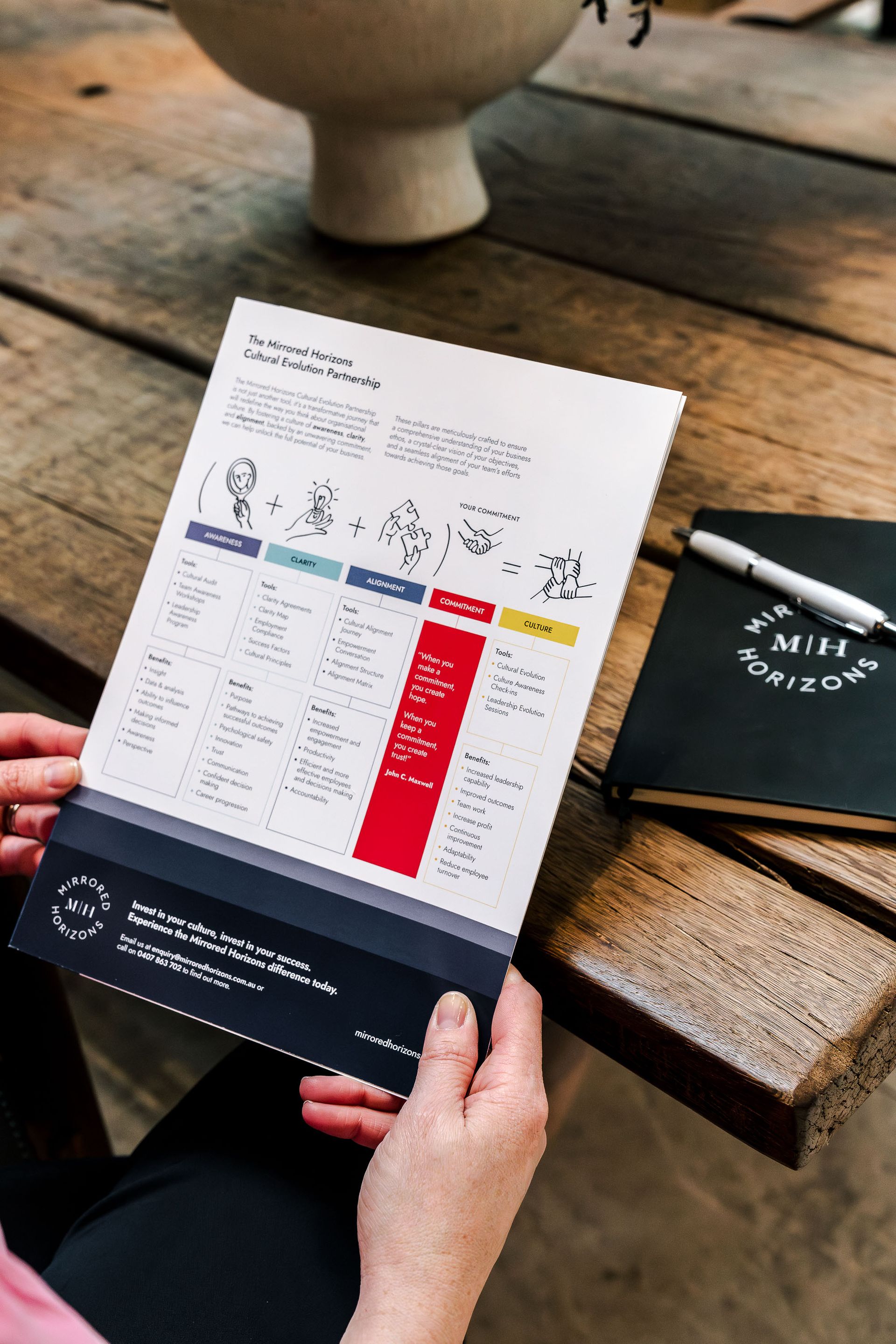
Let's break down common myths about workplace culture and share practical tools to help businesses create environments that are connected, productive, and set up for success.